
The Ultimate Guide to Elakizhi: Ayurveda’s Miracle Leaf Poultice Therapy
Ayurveda, the ancient system of holistic healing, is renowned for its holistic approach to health, focusing on restoring balance in the body and supporting overall well-being rather than only managing symptoms. Through a combination of herbal medicines, therapeutic massages, medicated oils, detoxification procedures, and lifestyle practices, Ayurveda aims to restore the balance of the three Doshas—Vata, Pitta, and Kapha. Among the many classical therapies practised in Ayurveda, Elakizhi is one of the most well-known Ayurvedic therapies traditionally used to support relief from pain, reduce muscle and joint stiffness, improve mobility, and manage various musculoskeletal and neurological conditions.
At Srothas Ayurveda Panchakarma Healthcare, Elakizhi is performed according to authentic Ayurvedic principles under the guidance of experienced Ayurvedic physicians. In this blog, we explore every important aspect of Elakizhi—from its Ayurvedic foundations and therapeutic benefits to the treatment procedure, ingredients, post-treatment care, who can benefit from it, and the precautions to keep in mind before undergoing this therapy.
What is Elakizhi?
The word Elakizhi is derived from two Malayalam words:
- Ela – Leaf
- Kizhi – Bundle or poultice
In Sanskrit, this therapy is traditionally known as Patra Pinda Sweda, where Patra means leaves, Pinda means bolus or bundle, and Sweda refers to therapeutic sweating or sudation.
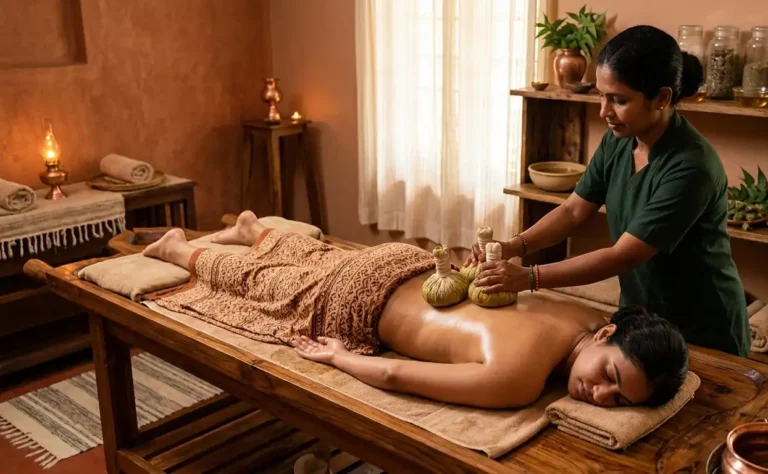
Compared with ordinary massage techniques, Elakizhi combines heat, herbal applications, and pressure-based movements to provide a stronger therapeutic effect on muscles and soft tissues. It is a heat-based therapy in which freshly collected medicinal leaves are chopped, mixed with other herbal ingredients, fried in medicated oil, and tied into cotton or muslin cloth bundles. These warm herbal pouches are then rhythmically massaged over the body or specific affected areas.
The combination of herbal medicine, warmth, pressure, and medicated oil helps loosen tight muscles, improve blood circulation, reduce pain, and enhance flexibility. Unlike ordinary massages, Elakizhi reaches deeper tissues, making it highly beneficial for chronic pain and musculoskeletal disorders.
As one of Ayurveda’s most effective Swedana (sudation) therapies, Elakizhi promotes sweating in a controlled manner. According to Ayurvedic principles, sweating plays an important role in supporting the proper functioning of the body’s channels (Srotas). It helps promote the elimination of accumulated Ama (metabolic waste and toxins), supports the body’s natural cleansing processes, and enhances tissue nourishment by improving circulation and balance within the body.
The Ancient Origins of Elakizhi
Elakizhi has its roots in the ancient science of Ayurveda, which has been practised for thousands of years. Classical Ayurvedic texts, including Ashtanga Hridayam, describe Swedana Chikitsa (sudation therapy), which forms the foundation of therapies such as Patra Pinda Sweda (Elakizhi) for relieving pain, stiffness, and disorders caused by aggravated Vata Dosha.
Ancient Ayurvedic physicians, known as Vaidyas, carefully observed how medicinal plants and controlled heat influenced the body’s healing processes. Through centuries of clinical experience, they developed Patra Pinda Sweda (Elakizhi) specifically to manage conditions affecting the muscles, joints, bones, tendons, and nerves.
Rather than treating symptoms alone, Ayurveda focuses on correcting the root imbalance responsible for disease. Elakizhi became one of the preferred therapies because it combined several healing principles simultaneously:
- Herbal medicine for tissue healing
- Warmth to reduce stiffness
- Medicated oils to nourish muscles and joints
- Rhythmic massage to improve circulation
- Controlled sweating to remove metabolic waste
These principles continue to guide authentic Ayurvedic practice today, making Elakizhi one of the most respected therapies for chronic musculoskeletal conditions.
How Elakizhi Balances the Vata Dosha
Ayurveda explains health through the balance of the three Doshas—Vata, Pitta, and Kapha. Among these, Vata Dosha governs movement, nerve impulses, circulation, breathing, and joint function.
Vata possesses qualities that are:
- Dry
- Cold
- Light
- Rough
- Mobile
- Irregular
When Vata becomes aggravated due to ageing, stress, irregular eating habits, excessive travel, lack of sleep, or overexertion, symptoms commonly include:
- Joint pain
- Muscle stiffness
- Dryness
- Cracking joints
- Sciatica
- Back pain
- Reduced flexibility
- Numbness
- Neurological discomfort
This is where Elakizhi becomes particularly effective.
The therapy introduces the exact opposite qualities needed to calm aggravated Vata:
| Aggravated Vata | Elakizhi Provides |
|---|---|
Cold |
Therapeutic warmth |
Dry |
Nourishing medicated oils |
Rough |
Smooth rhythmic massage |
Stiff |
Increased flexibility |
Poor circulation |
Enhanced blood flow |
The warmth from the herbal poultices penetrates deeply into muscles and joints, while medicated oils lubricate tissues that have become dry due to Vata imbalance.
For this reason, many Ayurvedic approaches to pain management focus on balancing aggravated Vata, especially when pain is associated with dryness, stiffness, and reduced mobility. Unless the underlying Vata disturbance is addressed, pain often returns despite temporary relief. Elakizhi therefore serves not only as a pain-relieving therapy but also as an important treatment for restoring functional balance throughout the musculoskeletal and nervous systems.
Primary Health Benefits of Elakizhi
Elakizhi is widely recommended because it addresses multiple aspects of physical health simultaneously. Rather than providing short-term symptomatic relief, it supports the body’s natural healing mechanisms through herbal medicine, heat, and therapeutic massage.
Some of the primary health benefits include:
Effective Pain Relief
The warmth from the herbal bundles relaxes contracted muscles, reduces stiffness, and improves circulation, helping relieve chronic pain affecting the joints, muscles, neck, shoulders, and lower back.
Supports Ayurvedic Cleansing Processes
As a form of Swedana therapy, Elakizhi induces gentle sweating, which helps open the body’s channels (Srotas) and assists in eliminating accumulated metabolic waste according to Ayurvedic principles.
Improves Joint Mobility
Regular sessions help reduce joint stiffness while improving flexibility and range of motion, making everyday activities more comfortable.
Relaxes the Nervous System
The soothing warmth combined with rhythmic massage may promote relaxation and help reduce physical tension. It also helps to reduce physical tension while promoting deep relaxation.
Enhances Blood Circulation
Heat naturally improves circulation, allowing oxygen and nutrients to reach tissues more efficiently while supporting tissue repair.
Nourishes Muscles and Soft Tissues
The medicated oils used during treatment penetrate the tissues, providing lubrication and nourishment that helps maintain muscle and joint health.
Reduces Muscle Fatigue
Elakizhi is often recommended after repetitive physical strain or sports-related muscle fatigue because it helps reduce tightness and supports recovery.
When administered as part of a personalised Ayurvedic treatment plan, these benefits often become more noticeable over a complete therapeutic course rather than after a single session.
Key Ingredients Used in an Elakizhi Pouch
One of the unique aspects of Elakizhi is the careful selection of medicinal leaves. Ayurveda does not use random herbs; every plant is chosen based on its therapeutic properties and the patient’s specific condition.
Although formulations may vary depending on the physician’s assessment, some of the most commonly used leaves include:
Castor Leaves (Ricinus communis)
Castor leaves are traditionally valued for their ability to reduce pain and stiffness while supporting joint mobility. They are frequently used in therapies aimed at Vata disorders because of their warming and soothing qualities.
Calotropis Leaves (Calotropis gigantea)
Calotropis leaves are traditionally used in specific Ayurvedic formulations and require proper preparation under expert guidance due to their potent nature. Their warming nature complements the sweating therapy by helping ease stiffness.
Tamarind Leaves (Tamarindus indica)
Tamarind leaves are traditionally valued for their soothing properties and are included in certain formulations to support comfort and flexibility. They help reduce swelling while supporting better flexibility in affected joints.
Additional Herbal Ingredients
Depending on the treatment objective, Ayurvedic physicians may also include:
- Grated coconut
- Fresh lemon
- Garlic
- Turmeric
- Herbal powders
- Rock salt in selected formulations
These ingredients are gently fried in medicated oil before being wrapped in cloth bundles.
Each herb contributes different therapeutic actions, but together they work synergistically to:
- Reduce inflammation
- Improve circulation
- Relieve pain
- Support tissue healing
- Promote flexibility
The exact formulation is always individualised according to the patient’s Dosha imbalances and clinical condition rather than using a single standard recipe for everyone.
The Role of Medicated Oils in Elakizhi
The effectiveness of Elakizhi depends not only on the medicinal leaves but also on the classical medicated oils (Tailams) used during preparation and treatment.
Ordinary massage oils cannot replace Ayurvedic medicated oils because these formulations are prepared through traditional pharmaceutical methods, allowing herbal extracts to be infused into a nourishing oil base. This enables the active herbal constituents to work together with heat for deeper therapeutic action.
Some commonly prescribed medicated oils include:
Murivenna
Murivenna is a classical Ayurvedic oil traditionally used for soft tissue injuries, muscle strains, ligament problems, and inflammatory conditions. It is well known for its soothing and tissue-supportive properties. The choice of oil depends on the patient’s condition and the physician’s assessment.
Kottamchukkadi Thailam
Kottamchukkadi Thailam is widely prescribed for Vata disorders, including muscle stiffness, chronic joint pain, arthritis, and restricted mobility. Its warming nature makes it especially suitable for Elakizhi.
Other Classical Oils
Depending on the individual’s condition, an Ayurvedic physician may recommend other medicated oils such as:
- Dhanwantharam Thailam
- Sahacharadi Thailam
- Mahanarayana Thailam
- Karpooradi Thailam
The physician selects the oil after evaluating factors such as:
- Dosha imbalances
- Disease stage
- Age
- Strength of the patient
- Tissue involvement
When combined with warm herbal leaves, these medicated oils create a synergistic effect that enhances circulation, softens tissues, reduces discomfort, and supports long-term healing more effectively than either therapy could achieve alone.
Step-by-Step Guide to the Elakizhi Procedure
Elakizhi is a carefully structured Ayurvedic therapy that combines herbal preparation, medicated oil application, therapeutic heat, and rhythmic massage techniques. Although the procedure may appear simple, authentic Elakizhi requires proper preparation, knowledge of herbal combinations, and an understanding of the patient’s Dosha condition and health concerns.
In traditional Ayurvedic practice, Elakizhi is rarely performed as a standalone therapy. It usually begins with Abhyanga, a full-body Ayurvedic oil massage using specially selected medicated oils. This preliminary step prepares the body by nourishing the skin, relaxing the muscles, calming the nervous system, and improving circulation.
Preparation with Abhyanga (Ayurvedic Oil Massage)
Before starting Elakizhi, the therapist performs a 15–20 minute Abhyanga massage using Dosha-balancing medicated oils selected according to the individual’s condition. This preparation is an essential part of the therapy because it helps lubricate the tissues and relax tight muscles.
According to Ayurvedic principles, Abhyanga helps maintain the proper flow of Srotas and prepares the body for subsequent therapies, allowing the warmth and herbal properties of the Elakizhi pouches to penetrate deep into the tissues. By preparing the body beforehand, Abhyanga helps to enhance the effectiveness of Elakizhi by allowing the warmth, herbal properties, and medicated oils to work more efficiently.
Preparation of the Herbal Poultices
The Elakizhi pouches are prepared using carefully selected fresh medicinal leaves and herbs. Traditionally used leaves such as castor leaves, Calotropis leaves, and tamarind leaves are cleaned, chopped, and combined with other herbal ingredients based on the treatment requirement.
These herbs are then sautéed in warm medicated oil until their therapeutic properties are released. The mixture is placed inside clean cotton or muslin cloth and tied securely into small bundles known as Kizhi.
The preparation of these pouches is an important step, as the selection and combination of herbs, medicated oils, and appropriate heat contribute significantly to the overall effectiveness of the therapy.
Application of Warm Herbal Pouches
Once the herbal bundles reach the appropriate temperature, the therapist begins the treatment by gently applying them over the body or specific affected areas. The warm pouches are rhythmically pressed, patted, and massaged across the muscles and joints using specific Ayurvedic techniques. The therapists maintain a consistent temperature by reheating the pouches whenever required.
The application involves coordinated movements that combine:
- Gentle patting
- Circular massage
- Pressing techniques
- Synchronized strokes
This rhythmic application helps improve blood circulation, relax tense muscles, reduce stiffness, and encourage sweating.
The Role of Synchronized Therapy
In some Ayurvedic centres, Elakizhi may be performed by two therapists working together to ensure balanced pressure and coordinated movements on both sides of the body. This synchronised approach allows uniform application of heat and herbal medicine while creating a deeply relaxing therapeutic experience.
The duration and intensity of the treatment depend on factors such as:
- The patient’s age
- Health condition
- Dosha imbalances
- Physical strength
- Treatment objective
After the session is completed, the patient is usually advised to rest for a short period, allowing the body to absorb the therapeutic effects of the herbs and oils.
What to Expect During an Elakizhi Session
For many people, the first Elakizhi experience is a combination of warmth, herbal aroma, gentle pressure, and deep relaxation. Understanding what happens during the session can help patients feel more comfortable and prepared.
Before the treatment begins, the Ayurvedic physician evaluates the individual’s health condition, body constitution (Prakriti), and specific concerns to determine the most suitable herbs, oils, and treatment approach.
During the therapy, the first sensation is usually the soothing warmth of the herbal pouches touching the skin. The aroma of freshly prepared medicinal leaves and warm herbal oils creates a calming atmosphere, while the rhythmic movements of the therapists gradually relax the muscles.
The heat applied during Elakizhi is carefully controlled. It should feel comfortably warm and therapeutic rather than excessively hot or uncomfortable. As the session progresses, the initial intensity of the warmth usually transforms into a feeling of deep relaxation as the muscles loosen and stiffness begins to reduce.
Many people experience:
- A feeling of lightness in the body
- Reduced muscle tension
- Improved relaxation
- Increased flexibility
- Calmness of the mind
Since Elakizhi stimulates sweating, it is normal to experience mild perspiration during the procedure. This sweating is considered a therapeutic response of the body and is one of the reasons Elakizhi is classified under Swedana (sudation) therapies in Ayurveda.
Essential Post-Treatment Care for Elakizhi
Proper aftercare plays an important role in maximising the benefits of Elakizhi. Since the therapy creates deep relaxation and stimulates the body’s internal processes, Ayurveda recommends following certain guidelines after the session.
Allow Adequate Rest
After completing Elakizhi, patients are advised to rest for some time. The body continues to respond to the herbal oils, heat, and therapeutic effects even after the treatment is completed.
Avoiding heavy physical activities immediately after the session allows the body to properly absorb the benefits of the therapy.
Take a Warm Herbal Bath
A specialised warm bath is usually recommended after Elakizhi. Traditionally, Ayurveda advises using green gram powder (Cherupayar podi) instead of chemical soaps.
Green gram powder is traditionally preferred because it gently cleanses the skin while being milder than chemical soaps. It also supports skin health and maintains the nourishing effects of the therapy.
Avoid Cold Exposure
After Elakizhi, it is important to avoid exposure to cold environments, strong winds, and sudden temperature changes. Since the therapy increases warmth and circulation, maintaining a comfortable environment helps preserve the therapeutic effects.
Patients are generally advised to:
- Avoid cold showers immediately after treatment
- Avoid air conditioning or cold drafts
- Consume warm, easily digestible foods
- Stay hydrated with warm fluids
Following proper post-treatment care helps extend the benefits of Elakizhi and supports the body’s natural healing and recovery processes.
Elakizhi vs. Podikizhi: Understanding the Differences
Both Elakizhi and Podikizhi are traditional Ayurvedic Kizhi therapies that involve herbal bundles and therapeutic heat. However, the ingredients used and the conditions they address are different.
Elakizhi (Patra Pinda Sweda)
Elakizhi uses fresh medicinal leaves as the primary ingredient. The leaves are combined with other herbs and warmed in medicated oil before being tied into bundles.
Because of its warm, nourishing, and oil-based nature, Elakizhi is mainly associated with balancing aggravated Vata Dosha. It is commonly recommended for conditions involving:
Chronic joint pain
Muscle stiffness
Degenerative changes
Reduced mobility
Vata-related musculoskeletal disorders
Podikizhi (Choorna Pinda Sweda)
Podikizhi uses herbal powders (Choorna) instead of fresh leaves. Different medicinal powders are selected based on the individual’s condition.
Podikizhi is traditionally considered more stimulating due to the use of herbal powders and is selected according to the individual’s Dosha condition. It is often used for conditions associated with:
- Inflammation
- Excess Kapha
- Muscle heaviness
- Fat accumulation
- Certain swelling-related conditions
While both therapies use heat and herbal medicine, the choice between Elakizhi and Podikizhi depends on the patient’s Dosha imbalances, symptoms, and overall health condition. An Ayurvedic physician determines which therapy is most appropriate after proper assessment.
Who is the Ideal Candidate for Elakizhi?
Elakizhi is especially beneficial for individuals experiencing chronic pain, stiffness, and reduced mobility caused by Vata-related imbalances. It is commonly recommended as part of Ayurvedic management plans for various musculoskeletal conditions.
People who may benefit from Elakizhi include those experiencing:
Chronic Back Pain
The warming and relaxing effects of Elakizhi can help reduce stiffness and discomfort associated with long-term back problems.
Arthritis and Joint Stiffness
The combination of medicated oils, herbal leaves, and heat helps improve joint flexibility and supports comfort in individuals experiencing age-related joint concerns.
Sciatica
Elakizhi is traditionally used to support individuals with sciatic discomfort by relaxing surrounding muscles and calming Vata-related nerve irritation.
Spondylosis
Those experiencing cervical or lumbar spondylosis may benefit from this therapy as part of a personalised Ayurvedic treatment plan.
Frozen Shoulder
The heat and massage techniques used in Elakizhi can help improve shoulder mobility and reduce muscular tightness.
Sports Injuries and Muscle Strain
Athletes and physically active individuals may use Elakizhi to support recovery from muscle fatigue, stiffness, and strain.
However, Elakizhi is not suitable for everyone. A proper Ayurvedic consultation is essential to determine whether this therapy matches an individual’s health condition and body requirements.
Important Contraindications: Who Should Avoid Elakizhi?
Although Elakizhi is a highly beneficial Ayurvedic therapy for many pain-related and Vata-associated conditions, it is not suitable for everyone. Since the treatment involves heat application, herbal ingredients, oil massage, and sweating therapy (Swedana), certain health conditions may require avoiding or postponing the procedure.
A proper consultation with an experienced Ayurvedic physician is essential before undergoing Elakizhi. The treatment should always be selected based on the individual’s Prakriti, Dosha imbalances, age, strength, and current health condition.
Psoriasis is generally considered a contraindication for Elakizhi, especially when active skin lesions are present. Individuals suffering from psoriasis should avoid Elakizhi unless specifically advised otherwise by an Ayurvedic physician. The combination of heat, friction, and stimulation of the skin during the therapy may aggravate psoriasis symptoms in some individuals.
In modern dermatology, skin trauma or irritation that triggers new psoriasis lesions is known as the Koebner phenomenon. Since Elakizhi involves repeated rubbing, pressure, and heat application, it may potentially worsen existing skin sensitivity or trigger flare-ups.
For individuals seeking Ayurvedic support for psoriasis, gentler therapies that focus on balancing the body’s internal processes are generally considered more appropriate. Depending on the individual’s condition, Ayurvedic physicians may recommend therapies such as:
- Takradhara – A calming therapy involving the continuous pouring of medicated buttermilk over the forehead or affected areas, traditionally used to support skin and stress-related conditions.
- Panchakarma therapies – Personalised detoxification procedures designed according to the individual’s Dosha imbalances and overall health status.
- Lepam – Application of soothing herbal pastes prepared with selected medicinal ingredients to support skin health.
The appropriate treatment approach should always be decided after a detailed Ayurvedic evaluation.
Other Conditions Where Elakizhi Should Be Avoided or Delayed
Apart from psoriasis, Elakizhi may not be recommended in certain situations, including:
High Fever or Acute Illness
During fever, infections, or acute illnesses, the body’s energy is directed towards recovery. Heat-based therapies like Elakizhi may increase discomfort and are usually avoided until the acute condition improves.
Pregnancy
Pregnant women should avoid undergoing Elakizhi unless it is specifically approved and supervised by a qualified Ayurvedic physician. Certain pressure techniques and heat applications may not be suitable during pregnancy.
Open Wounds or Skin Injuries
Elakizhi should not be performed over areas with:
- Open wounds
- Cuts
- Burns
- Fresh injuries
- Active skin infections
Heat and friction may delay healing or worsen irritation in these areas.
Acute Inflammation
Although Elakizhi is beneficial for many chronic conditions, acute inflammatory conditions with intense swelling, redness, or severe heat in the affected area may require a different therapeutic approach.
Severe Weakness or Reduced Physical Strength
Individuals with significant weakness, extreme fatigue, or poor tolerance to heat may require gentler therapies before considering Elakizhi.
Certain Cardiovascular Conditions
People with uncontrolled blood pressure, serious heart conditions, or circulatory disorders should seek medical advice before undergoing heat-based Ayurvedic therapies.
After Recent Surgery or Major Injury
Those recovering from surgery, fractures, or major injuries should undergo Elakizhi only after receiving professional guidance regarding timing and suitability.
Understanding these precautions helps ensure that Elakizhi is used safely and effectively. Ayurveda emphasises that every therapy should be personalised; a treatment that benefits one person may not be suitable for another depending on their individual health condition.
How Often Should You Get Elakizhi Treatments?
The frequency and duration of Elakizhi treatments depend on the individual’s health condition, Dosha imbalances, age, lifestyle, and treatment goals. In Ayurveda, therapies like Elakizhi are generally not viewed as one-time solutions but as part of a structured treatment plan designed to create gradual and lasting improvements.
For chronic conditions such as arthritis, back pain, spondylosis, sciatica, or long-standing muscle stiffness, Ayurvedic physicians commonly recommend a complete course of treatment rather than a single session.
A typical therapeutic course may last:
- 7 days – For mild concerns, relaxation, or early-stage discomfort
- 14 days – For moderate conditions requiring deeper support
- 21 days – For chronic or long-standing health concerns requiring a more intensive approach
The exact duration is decided after assessing the individual’s condition and response to treatment.
A complete course allows the therapy to work progressively by:
- Reducing accumulated stiffness
- Improving circulation
- Supporting tissue nourishment
- Calming aggravated Vata Dosha
- Enhancing mobility and relaxation
For long-term musculoskeletal issues, consistency is important because the body requires time to respond to the combined effects of herbal medicine, heat, and therapeutic massage.
Some individuals may benefit from occasional maintenance sessions after completing an initial treatment course, depending on their lifestyle and health needs. An Ayurvedic physician can recommend the ideal schedule based on individual requirements.
Can You Perform Elakizhi Safely at Home?
With the growing interest in Ayurvedic therapies, many people wonder whether Elakizhi can be performed at home. While certain basic massage practices may be possible with proper guidance, authentic Elakizhi requires specialised knowledge, preparation, and technique.
The effectiveness and safety of Elakizhi depend on several important factors, including:
Correct Selection of Herbs
The herbs used in Elakizhi are not chosen randomly. The combination of leaves and medicinal ingredients should match the individual’s health condition and Dosha imbalances.
Maintaining the Right Temperature
One of the most important aspects of Elakizhi is controlling the heat of the herbal bundles. If the pouches are too hot, they may irritate or damage the skin. If they are not warm enough, the desired therapeutic effect may not be achieved.
Proper Oil Selection
Different conditions require different medicated oils. Using an unsuitable oil may reduce effectiveness or may not provide the intended benefits.
Correct Massage Technique
The pressure, rhythm, direction of strokes, and duration of application all influence the outcome of the therapy. Trained Ayurvedic therapists understand how to modify these techniques according to the patient’s condition.
Professional Application Provides Better Results
A professionally administered Elakizhi session ensures that:
- The correct herbs are selected
- The treatment temperature remains safe
- The therapy is adjusted according to the patient’s needs
- The procedure follows authentic Ayurvedic principles
For these reasons, Elakizhi is best performed at a specialised Ayurvedic centre under the supervision of trained professionals rather than attempted as a complete DIY therapy at home.
Frequently Asked Questions About Elakizhi
Is Elakizhi painful?
No, Elakizhi is generally not painful when performed correctly by trained Ayurvedic therapists. The treatment involves warm herbal pouches being gently applied through rhythmic movements. The heat is carefully maintained at a comfortable level according to the individual’s tolerance.
Some people may experience mild warmth or pressure during the session, but most describe the experience as relaxing and soothing.
Can I take a bath immediately after an Elakizhi session?
It is usually recommended to wait for some time after an Elakizhi session before taking a bath. Ayurveda advises allowing the body to rest and absorb the effects of the medicated oils and herbal ingredients.
When bathing, a warm herbal bath using substances such as green gram powder (Cherupayar podi) is traditionally preferred instead of harsh chemical soaps, as it gently cleanses the skin while preserving the benefits of the oils.
Can Elakizhi help with weight loss?
Elakizhi is not primarily a weight-loss treatment. Its main purpose is to manage pain, stiffness, muscle tension, and Vata-related disorders.
However, when combined with appropriate Ayurvedic dietary guidance, lifestyle modifications, and other personalised therapies, Elakizhi may support overall wellness by improving circulation, reducing stiffness, and promoting relaxation.
For weight management, Ayurveda usually focuses on a complete approach that addresses digestion, metabolism, lifestyle habits, and individual Dosha balance.