Nasya Treatment in Ayurveda
Nasya (Nasal Administration) is one of Ayurveda’s most potent cleansing and therapeutic medicines, intended to detoxify the cranium and restore balance to the entire body. Nasya, which gently administers herbal oils or therapeutic liquids through the nostrils, aids in the elimination of toxins, enhances mental clarity, supports respiratory health, and promotes overall well-being. This treatment, which is based on ancient Ayurvedic wisdom, is highly valued for its capacity to nourish the senses, refresh the mind, and alleviate discomfort caused by sinus problems, headaches, and stress.
Whether you’re new to Ayurveda or want to expand your knowledge, Nasya offers a comprehensive approach to breathing more easily, thinking more clearly, and feeling lighter.
What is Nasya Panchakarma Treatment in Ayurveda
Nasya is an important Panchakarma therapy in Ayurveda that aims to cleanse, nourish, and heal the head and neck region. This treatment involves administering therapeutic oils, powders, or plant extracts softly through the nostrils, which are thought to be the entryway to the head. Nasya aids in the removal of pollutants from the sinus passages, improves breathing, increases mental clarity, promotes neurological balance, and relieves migraines, sinusitis, allergies, and stress.
Nasya is performed with conventional accuracy and specific herbal compositions at Srothas Ayurveda to ensure that the therapy is tailored to each individual’s bodily constitution and health needs. Nasya, an important part of panchakarma treatment in Kerala, helps to restore equilibrium, improve the senses, and promote general wellness.
Nasya Procedure in Ayurveda
The Nasya method is a systematic Ayurvedic therapy that uses medicated ingredients administered through the nostrils to cleanse and nourish the cranium. The technique is gentle and therapeutic, and it is divided into three major stages:
Purva Karma (Pre-Procedure)
This phase gets the body ready for efficient detoxification, particularly the head and nasal passages.
- Face and head massage using warm herbal oils to increase circulation.
- Mild steam therapy (Swedana) is used to release mucus and toxins in the sinus and throat areas.
By opening the channels, these actions increase the nasal tissues’ susceptibility to the medication.
Pradhana Karma (Main Procedure)
This is the central part of Nasya therapy.
- The patient is instructed to lie down comfortably with their head tilted back a little.
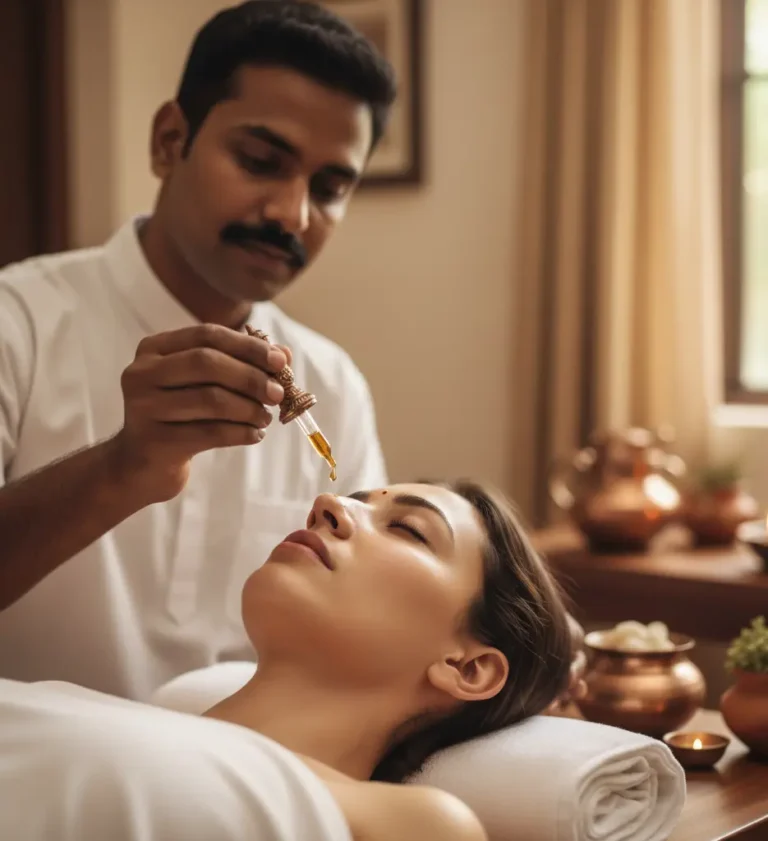
- Medicated oil, ghee, herbal juice, or powder—depending on the condition—is gently instilled into each nostril, usually a few drops at a time.
- The patient is told to inhale gently so that the medicine can reach deeper tissues and channels (Shiras Srotas).
This phase offers therapeutic nutrients and aids in the removal of impurities.
Paschat Karma (Post-Procedure)
These steps help stabilize the effects and ensure complete cleansing.
- Gentle massage around the nose, face, and shoulders.
- Expectoration of loosened mucus and toxins.
- Avoid cold exposure, heavy meals, or strenuous activities for a few hours.
What Makes Nasya an Essential Component of Panchakarma
Nasya holds a special place in Panchakarma because it concentrates on cleansing and rejuvenating the head and neck region, an area that many other detox therapies cannot directly reach. According to Ayurveda, Nasya delivers therapeutic herbs deep into the tissues, channels, and senses through the nose, which is regarded as the gateway to the head (Shirodwara).
Here’s why Nasya is so important in the Panchakarma system:
Targets Toxins in the Head Region: While most Panchakarma therapies purify the digestive tract and systemic channels, Nasya eliminates toxins from the sinuses, nasal passages, throat, and neurological pathways, providing a unique and targeted kind of cleansing.
Supports Respiratory and ENT Health: Nasya clears mucous and opens clogged channels to treat congestion, sinusitis, allergies, headaches, and migraines. This makes it essential for disorders affecting the respiratory and ENT systems.
Enhances Brain and Nervous System Function: By nourishing the tissues around the head, Nasya assists with memory, focus, sleep quality, and mental clarity. It is essential for maintaining the balance of Prana Vata, which controls breathing, the mind, and the senses.
Restores Balance of Doshas in the Upper Body: Nasya balances Kapha and Vata in the head and shoulders, which helps cure stiffness, facial palsy, dryness, and stress-related disorders.
Complements the Holistic Detox Process: As a part of Panchakarma, Nasya works in conjunction with other therapies such as Vamana, Virechana, Basti, and Raktamokshana to guarantee that cleansing encompasses the mind, senses, and upper body in addition to the gut.
Benefits of Nasya Treatment
- Clears Sinus and Nasal Congestion: Nasya effectively eliminates excess mucus and toxins, thereby alleviating sinusitis, nasal blockage, allergies, and persistent cold symptoms.
- Enhances Respiratory Health: By opening the nasal passages and clearing built-up Kapha, Nasya enhances breathing and supports healthier lung function.
- Relieves Headaches and Migraines: Regular Nasya therapy lessens the frequency and severity of migraines, headaches, and head pressure brought on by stress.
- Improves Mental Clarity and Focus: Nasya nourishes brain tissue, increases oxygen flow to the brain, and promotes improved memory, focus, and cognitive performance.
- Reduces Stress and Calms the Mind: Prana Vata is balanced by the therapy, which lowers anxiety, promotes relaxation, and enhances emotional health.
- Supports Eye and Ear Health: Nasya helps sense organs perform better by strengthening the nerves and channels that connect the eyes and ears.
- Promotes Better Sleep: Nasya works by soothing the nervous system, which helps to manage insomnia and improve sleep quality.
- Helps Treat Neck and Shoulder Stiffness: It minimizes tension and stiffness in the neck, shoulders, and upper body, helping conditions like cervical spondylosis.
- Enhances Voice and Facial Glow: Nasya enhances voice clarity and adds to a healthier, more radiant facial look by improving circulation and eliminating impurities.
- Prevents Early Ageing of Facial Skin and Hair: Nasya’s nourishing oils strengthen hair roots, decrease hair loss, and help halt the premature aging of facial tissues.
Side Effects of Nasya Treatment
Nasya is generally safe when conducted by a qualified Ayurvedic practitioner, but like with any therapeutic technique, it can cause minor, transitory adverse effects in some people—especially if done poorly or without sufficient preparation.
- Mild Irritation or Burning Sensation: Some people may have mild burning, irritation, or pain in the nose or throat shortly after taking the medication.
- Headache or Heaviness in the Head: If the dosage is too high or the technique is not appropriate for the patient’s condition, transient headaches or heaviness may develop.
- Increased Sneezing or Nasal Discharge: This is common immediately after the treatment as toxins and mucus begin to loosen and drain.
- Throat Irritation or Cough: The herbal oils may sometimes trickle into the throat, causing mild coughing or irritation.
- Slight Dizziness: Some may feel light-headed if too much oil is administered or if proper post-care is not followed.
- Aggravation of Symptoms: In rare cases, particularly when performed during an active infection, cold, or when contraindicated, Nasya may worsen congestion or cause discomfort.
- Allergic Reaction (Rare): People sensitive to certain herbs or oils may develop mild allergic symptoms like itching or redness.
Dos and Don'ts Before Nasya Treatment
Dos Before Nasya Treatment
- Eat a Light Meal
- Have a light, easily digestible meal at least 1–2 hours before the procedure.
- Avoid undergoing Nasya on a full or empty stomach.
- Ensure Good Sleep the Previous Night: A well-rested body responds better to therapy.
- Keep the Body Warm: Stay in a warm environment before the session to prevent Vata aggravation.
- Inform the Practitioner About Ongoing Health Issues
Share details about:
- Sinus infections
- Migraines
- Allergies
- Pregnancy
- Current medications
- Prepare for Steam or Massage: Nasya usually includes facial massage and mild steam (Purva Karma), so arrive relaxed and ready.
- Stay Hydrated: Drink warm water before the session to support toxin movement and comfort.
Don’ts Before Nasya Treatment
- Do Not Perform Nasya Immediately After Meals: Wait at least 1–2 hours; otherwise, it may cause nausea, heaviness, or discomfort.
- Avoid Cold Exposure: No exposure to cold wind, cold drinks, or AC just before treatment.
- Avoid Heavy Exercise: Strenuous workouts increase body heat and can interfere with the therapy’s calming effects.
- Do Not Consume Alcohol or Caffeine: These can irritate the system and reduce treatment effectiveness.
- Avoid Late Nights or Fatigue: Do not undergo Nasya when extremely tired, anxious, or sleep-deprived.
- Do Not Come During Active Infections: Avoid Nasya during fever, cold, blocked nose, acute sinusitis, or throat infections unless advised by an Ayurvedic doctor.
Diet to Follow During and After Nasya Treatment
Maintaining a healthy diet is crucial to supporting Nasya’s nourishing and purifying properties. Since the therapy concentrates on balancing the doshas in the brain and upper body, eating light, warm, and readily digestible foods improves the outcome and reduces discomfort.
During Nasya Treatment: What to Eat
Light, Warm, and Fresh Foods
Choose freshly prepared meals such as:
- Warm rice with ghee
- Khichdi
- Light vegetable soups
- Steamed vegetables
These help maintain digestion and support toxin removal.
Mildly Spiced Foods
Use spices that kindle digestion gently, such as:
- Cumin
- Coriander
- Turmeric
- Ginger
Avoid excessive spice or heat.
- Warm Herbal Drinks: Sip warm water, cumin water, or herbal teas like ginger–tulsi to keep the channels open and support respiration.
Foods to Avoid During Treatment
- Cold, refrigerated, or raw foods
- Heavy fried meals
- Dairy in excess (especially cold milk or curd)
- Processed or packaged snacks
- Very spicy or oily dishes
These can aggravate Kapha and interfere with the clearing of nasal passages.
After Nasya Treatment: Recommended Diet
- Continue Warm, Easily Digestible Foods
- Stick to warm meals for the next 24–48 hours to support the healing process.
- Soups, porridge, lightly cooked vegetables, and herbal-infused rice are ideal.
- Include Nourishing Ghee: Small amounts of warm, melted ghee help lubricate tissues and balance Vata, especially beneficial after Nasya.
- Add Immunity-Supporting Foods
- Turmeric milk (warm)
- Rasam
- Light lentils
- Herbal decoctions
These help restore strength and prevent relapse of nasal or sinus issues.
Foods to Avoid After Nasya
- Cold drinks, ice creams, and cold desserts
- Heavy meat preparations
- Fermented foods like curd (especially at night)
- Excess caffeine and tea
- Alcohol
These can trigger congestion and reduce the therapy’s benefits.
Final Thoughts
Nasya is a foundational therapy in Panchakarma, providing significant benefits to the mind, senses, and overall well-being. Clearing the nasal passages, removing toxins, and nourishing the head and neck region support mental clarity, respiratory health, stress relief, and sensory balance. When done correctly and under expert supervision, Nasya becomes a vital aspect of holistic healing, supplementing other Ayurvedic therapies for total wellness.
For those looking for authentic and personalized care, visiting a trusted Ayurveda treatment center in Kerala like Srothas Ayurveda guarantees that Nasya is administered securely, efficiently, and in harmony with your particular constitution, assisting you in achieving long-lasting health and vitality.