
What is Raktamokshana Panchakarma Treatment in Ayurveda
Raktamokshana is one of Ayurveda’s five specialty therapies under Panchakarma, which aims to cleanse the blood and balance the doshas. The Sanskrit words Rakta, which means blood, and Mokshana, which means release or removal, are the origins of the name “Raktamokshana.” This treatment is especially effective for vitiated blood illnesses such as skin disorders, eczema, psoriasis, acne, boils, and some inflammatory diseases. By eliminating toxins and excess doshas from the blood, Raktamokshana helps improve overall health and enhances the body’s immunity.
Depending on the patient’s health and Ayurvedic evaluation, the therapy is carried out utilizing techniques like Siravedha (venesection), Raktavisramsana (bloodletting), or Pracchana (scarification). It is always carried out under careful oversight by trained Ayurvedic practitioners to guarantee safety and effectiveness.
Srothas Ayurveda provides skilled care in Raktamokshana therapy for genuine treatment. Panchakarma treatment in Kerala at Srothas Ayurveda is a great option for reestablishing equilibrium and reviving your body organically if you’re looking for comprehensive wellness.
Raktamokshana Procedure in Ayurveda
Raktamokshana (Bloodletting) is a specialized Panchakarma therapy used to purify the blood and balance the doshas, particularly Pitta and Rakta. This therapy is widely advised for skin problems, inflammation, boils, eczema, psoriasis, and other vitiated blood-related conditions.
Procedure of Raktamokshana
Depending on the patient’s health and the practitioner’s evaluation, the process may differ, but it typically entails the following techniques:
Pracchana (Scarification)
- Small superficial incisions are made on specific areas of the skin.
- Excess blood is gently removed to eliminate toxins and restore dosha balance.
Raktavisramsana (Bloodletting with Leech Therapy or Other Methods)
- Medicinal leeches may be applied to affected areas to draw out impure blood naturally.
- Sometimes, controlled suction devices are used instead of leeches.
Siravedha (Venesection)
- A minor incision is made in a vein to remove a larger quantity of impure blood.
- This is done under strict supervision to avoid complications.
Aftercare
- Rest, a healthy diet, and herbal remedies to fortify the blood and promote recovery are all part of post-procedure care.
- For best results, patients are recommended to stay away from physically demanding activities and to obey their doctor’s advice.
Srothas Ayurveda, a reputable Ayurvedic centre, provides authentic Raktamokshana therapy with skilled practitioners who ensure safety, precision, and comprehensive recovery. Panchakarma treatment in Kerala at Srothas Ayurveda offers a comprehensive, traditional Ayurvedic experience for individuals looking for efficient cleaning and regeneration.
What Makes Raktamokshana an Essential Component of Panchakarma
Raktamokshana is regarded as a crucial part of Panchakarma since it directly targets impurities in the bloodstream, which other therapies do not. Since vitiated blood (Rakta duṣhti) is the root cause of many skin illnesses, inflammatory conditions, and Pitta-related maladies, eliminating these poisons aids in a deeper restoration of balance.
By purifying the blood channels (Rakta srotas), Raktamokshana boosts circulation, minimizes inflammation, improves skin health, and promotes overall immunity. Its precise and targeted nature makes it essential in situations where internal cleansing alone may be insufficient.
It complements therapies such as Vamana (vomiting therapy), Virechana (purgation), Basti (enemas), and Nasya (nasal administration) to give total detoxification.
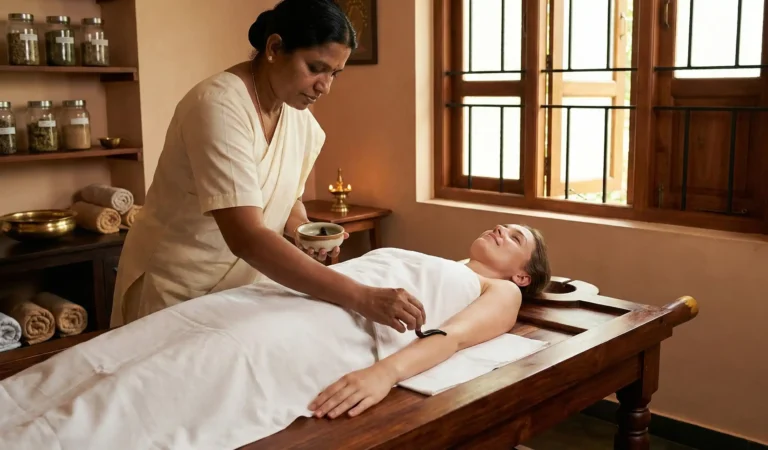
Benefits of Raktamokshana Treatment
- Purifies the Blood: Raktamokshana removes toxins, pollutants, and vitiated doshas from the bloodstream, improving complete internal cleaning.
- Improves Skin Health: It effectively treats skin disorders such as eczema, psoriasis, acne, allergies, boils, and chronic rashes by targeting the underlying cause, unclean blood.
- Reduces Inflammation: It helps lessen swelling, heat, and redness in afflicted regions by eliminating toxins and regulating Pitta and Rakta.
- Enhances Circulation: The therapy promotes improved blood flow, which ensures that nutrients and oxygen are distributed efficiently throughout the body.
- Promotes Natural Healing: By eliminating stagnant or dirty blood, the body’s natural healing systems become more active and effective.
- Strengthens Immunity: A cleaned bloodstream and regulated doshas help the body better resist infections and inflammatory illnesses.
- Relieves Pain and Discomfort: Conditions like gout, varicose veins, and specific discomfort caused by toxin buildup respond well to this therapy.
- Balances Pitta Dosha: Since many blood-related ailments are caused by inflamed Pitta, Raktamokshana is critical in restoring doshic equilibrium.
Side Effects of Raktamokshana Treatment
While Raktamokshana is generally safe when administered by qualified Ayurvedic practitioners, it is nevertheless an intrusive detox procedure that might result in side effects, particularly if not done correctly or with sufficient aftercare.
Common Side Effects
- Mild Pain or Discomfort: Some patients may experience slight pain, itching, or discomfort at the site of bloodletting.
- Dizziness or Fatigue: Removing blood can temporarily lower energy levels, leading to light-headedness or weakness.
- Bruising or Swelling: Minor swelling or bruising may occur, especially after leech therapy or venesection.
- Temporary Drop in Blood Pressure: Sensitive individuals may experience low blood pressure immediately after the procedure.
Less Common But Possible Side Effects
- Minor Bleeding: In some cases, bleeding may take longer to stop, requiring monitoring and dressing.
- Infection Risk (Rare): If hygienic protocols are not strictly followed, there is a small risk of local infection.
- Allergic Reactions (Leech Therapy): Very rarely, some individuals may show allergic responses to leech saliva components.
Who Should Avoid Raktamokshana
- Individuals with anemia
- Pregnant women
- People with uncontrolled diabetes
- Patients with bleeding disorders
- Those who are extremely weak or malnourished
Dos and Don'ts Before Raktamokshana Treatment
Dos Before Raktamokshana Treatment
- Consult a Qualified Ayurvedic Practitioner: Ensure proper diagnosis of your dosha imbalance and suitability for the treatment.
- Eat a Light Meal: Have a light, easily digestible meal 2–3 hours before the procedure to maintain stable energy levels.
- Stay Hydrated: Drink adequate water unless advised otherwise, as it helps keep the body stable during bloodletting.
- Get Enough Sleep: A well-rested body responds better to detox therapies.
- Wear Comfortable Clothing: Choose loose-fitting attire that allows easy access to the treatment area.
- Share Medical History: Inform your practitioner about any medications, allergies, or existing conditions like hypertension or diabetes.
- Remain Calm and Relaxed: A relaxed mind and body help reduce anxiety and improve treatment comfort.
Don’ts Before Raktamokshana Treatment
- Avoid Heavy Meals: Do not consume oily, spicy, or heavy foods before the treatment.
- Do Not Skip Meals: Fasting may cause dizziness or weakness during the procedure.
- Avoid Alcohol, Smoking & Caffeine: These substances can affect blood flow and interfere with the treatment.
- Do Not Overexert Yourself: Avoid heavy exercise, long travel, or strenuous activity before your session.
- Avoid Taking Blood Thinners (Unless Prescribed): Consult your practitioner if you are on blood-thinning medications.
- Don’t Arrive Stressed or Anxious: Emotional strain can affect your blood pressure and overall experience.
- Avoid Self-Diagnosis: Raktamokshana must only be done after professional assessment—never attempt similar methods at home.
Diet to Follow During and After Raktamokshana Treatment
A good diet is necessary during and after Raktamokshana since the body detoxifies and requires mild food to rebuild vigor. Eating the proper foods promotes healing, keeps doshas in balance, and reduces discomfort following therapy.
During the Treatment
- Light, Easily Digestible Foods: Choose warm, freshly cooked meals like rice gruel (kanji), thin dal, steamed vegetables, and light khichdi.
- Warm Liquids: Sip warm water or herbal teas (like ginger, cumin, or coriander tea) to support digestion and circulation.
- Avoid Heavy, Oily, or Spicy Foods: These increase Pitta and can aggravate blood-related disorders during detox.
- Small, Frequent Meals: Eat small portions to avoid strain on digestion and maintain stable energy levels.
After the Treatment
- Continue a Pitta-Pacifying Diet: Include cooling and soothing foods like coconut water, cooked greens, bottle gourd, ash gourd, rice, and moong dal.
- Include Blood-Nourishing Foods: Foods like dates, raisins, beetroot, and pomegranate (in moderation) help restore healthy blood post-detox.
- Avoid Sour, Fermented, and Spicy Items: Foods such as pickles, curd, vinegar, fried items, and red chilies may irritate the system.
- Stay Hydrated: Drink warm water or mild herbal infusions to help the body eliminate residual toxins smoothly.
- Limit Caffeine and Completely Avoid Alcohol: These can dehydrate the body and interfere with the healing process.
- Prefer Warm, Home-Cooked Meals: Fresh food supports digestion and strengthens the body after the procedure.
Maintain a sattvic, calming diet for a few days following Raktamokshana to encourage healing, balance the doshas, and speed up recovery. As a Holistic Ayurveda Massage Center, Srothas Ayurveda promotes this dietary discipline to help with therapeutic benefits.
Final Thoughts
Raktamokshana is one of Ayurveda’s most effective detoxification remedies, providing focused purification for blood-related diseases while also restoring balance on a deep, systemic level. This traditional therapy promotes healing and long-term wellness by removing toxins, lowering inflammation, and improving circulation.
Choosing a reputable Ayurveda treatment center in Kerala guarantees professional supervision, safe methods, and a holistic healing atmosphere for individuals seeking genuine care based on age-old expertise. With the correct strategy and expert assistance, Raktamokshana transforms into a transformative step toward improved health and total rejuvenation rather than only a therapy.
FAQs
Does Raktamokshana Hurt?
Raktamokshana typically results in minimal discomfort rather than severe pain. Techniques such as leech therapy or minor skin pricks are often well accepted, and qualified Ayurvedic practitioners provide a delicate and safe procedure. For most people, any discomfort is temporary and tolerable.
Is Panchakarma Painful?
In general, panchakarma is not painful. The majority of treatments are mild, purifying, and intended to aid in the body’s natural healing process. While certain procedures may cause minor discomfort, such as moderate irritation, warmth, or brief unease, they are often well tolerated. Professional practitioners guarantee that the procedures are carried out in a way that is safe, comfortable, and compliant with each person’s constitution.
What are the Contraindications for Raktamokshana?
Raktamokshana should be avoided in situations when bloodletting could result in complications or weaken the patient. Major contraindications include:
- Anemia (low hemoglobin)
- Pregnancy
- Severe weakness or malnutrition
- Uncontrolled diabetes
- Bleeding disorders (like hemophilia)
- Very young children and elderly individuals
- Low blood pressure
- Active infections or fever
- Heart diseases or conditions causing poor stamina
- Chronic liver disease, where clotting is impaired
In any of these circumstances, Raktamokshana may bring dangers; hence, it should only be done after a complete evaluation by a skilled Ayurvedic practitioner.