
Can Ayurveda Cure Diabetes? Understanding the Ayurvedic Perspective
Nowadays, diabetes is one of the most prevalent lifestyle problems, and many individuals are looking into alternative medical systems for long-term healing. Diabetes is known in Ayurveda as Madhumeha, a disorder caused by imbalances in the body’s doshas, metabolism, and lifestyle. Unlike traditional treatments that primarily focus on symptom control, Ayurvedic treatment for diabetes emphasises natural diabetes management through diet, medicines, and lifestyle changes. Many patients go to an Ayurveda clinic in Kerala to try this traditional approach, as Ayurveda emphasises holistic healing and addressing the root cause of treatment rather than simply managing blood sugar levels.
In this blog, we will examine what Ayurveda actually says about diabetes (Madhumeha) and how it provides a more thorough metabolic and doshic explanation of the illness. We will also go over the essential distinction between treating diabetes and totally curing it, so you can comprehend what long-term healing really means in Ayurveda. This method emphasises how regular natural diabetes management and lifestyle changes can promote better balance in the body through holistic healing, rather than providing a quick fix.
Can Ayurveda Cure Diabetes by Addressing the Root Cause?
Diabetes, according to Ayurveda, is a deep systemic imbalance that develops over time rather than a single spot ailment. Long-term diabetes (Madhumeha) is associated with dosha imbalance, which disrupts the natural equilibrium of Kapha, Pitta, and Vata. This imbalance impairs metabolism, tissue feeding, and the body’s capacity to digest sugars appropriately, resulting in persistently high blood glucose levels. This is why many treatments in an Ayurveda clinic in Kerala focus on restoring internal balance rather than simply treating symptoms.
Can Ayurveda Cure Diabetes Naturally Through Lifestyle Changes?
- Dosha Imbalance and Diabetes: According to Ayurveda, diabetes is mostly associated with irritated Kapha dosha, which causes the body tissues to be overly sugary, heavy, and have a slow metabolism. But when the illness worsens, Pitta and Vata also play a role. Pitta causes inflammation and abnormalities in metabolism, whereas Vata causes problems, dryness, and degeneration. This integrated doshic disturbance is what makes diabetes a chronic and progressive condition in Ayurvedic philosophy.
- Metabolic Dysfunction in Ayurveda: Ayurveda defines diabetes as a metabolic transformation condition in which the body’s ability to convert and utilise nutrition deteriorates. This malfunction affects the body’s ability to digest food at the cellular and tissue levels as well as sugar intake. When metabolism slows, glucose is not adequately utilised and accumulates in the body, causing Madhumeha symptoms.
- Poor Digestion (Agni) and Toxin Accumulation (Ama): A key root cause in Ayurveda is the weakening of Agni (digestive fire). When Agni levels are low, digestion becomes inefficient, and the body produces toxic metabolic waste known as Ama. This Ama travels throughout the body, obstructing pathways (srotas) and disrupting regular metabolism. Over time, this accumulation contributes significantly to insulin resistance-like disorders recognised in contemporary medicine. Ayurvedic treatment for diabetes, therefore, focuses heavily on strengthening Agni, eliminating Ama, and restoring natural metabolic balance for long-term holistic healing.
Physical Activity Recommended in Ayurveda
According to Ayurveda, exercise is crucial for preserving the body’s equilibrium, particularly when treating Madhumeha (diabetes). Regular movement stimulates Agni (digestive fire), improves circulation, and supports better metabolism, which are essential for natural diabetes management. Many ancient techniques followed in an ayurveda clinic in Kerala emphasise everyday movement as part of holistic therapy, rather than viewing exercise as an optional habit.
- Ayurveda recommends moderate and consistent exercises rather than intense workouts.
- Walking (especially after meals) is highly encouraged to help regulate blood sugar levels naturally.
- Yoga asanas and Surya Namaskar are beneficial for improving flexibility, strength, and metabolic balance.
- Pranayama (breathing exercises) supports stress reduction and better oxygen flow, which indirectly helps in diabetes management.
- Following Dinacharya (daily routine) with active habits throughout the day improves energy balance and reduces Kapha accumulation.
- The main goal of Ayurvedic physical activity is not exhaustion, but steady movement that supports root cause treatment, improves metabolism, and maintains long-term health.
Can Ayurveda Cure Diabetes with Herbs and Traditional Remedies?
Ayurveda handles Madhumeha (diabetes) with a combination of lifestyle adjustment, nutrition, and carefully selected herbs that help in natural diabetes treatment. While Ayurveda focuses on improving metabolic balance and managing blood sugar levels, it emphasizes long-term support rather than rapid cures. Many ancient formulations utilised in an Ayurveda clinic in Kerala include time-tested herbs known for their function in Ayurvedic treatment for diabetes and general holistic wellness.
Common Ayurvedic Herbs for Diabetes
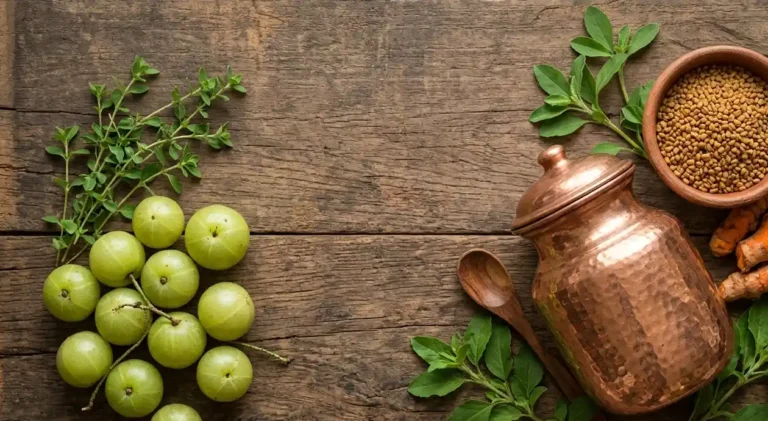
- Gudmar (Gymnema Sylvestre): Known as the “sugar destroyer,” Gudmar helps reduce sugar cravings and supports healthy blood glucose levels by influencing sugar absorption and taste perception.
- Vijaysar (Pterocarpus marsupium): Traditionally used for improving insulin sensitivity and supporting pancreatic function. Its wood is often used in Ayurvedic water preparations.
- Jamun Seed (Syzygium cumini): Rich in compounds that help regulate blood sugar levels and support better carbohydrate metabolism.
- Fenugreek (Methi): High in soluble fiber, it slows down glucose absorption in the blood and helps improve insulin activity.
- Turmeric (Curcuma longa): Contains curcumin, which has anti-inflammatory and antioxidant properties that support metabolic health and reduce complications associated with diabetes.
- Amla (Indian Gooseberry): A powerful antioxidant that helps improve metabolism, supports pancreatic health, and strengthens immunity.
Together, these herbs are used in Ayurveda not as standalone “cures,” but as part of a broader approach that focuses on root cause treatment, balancing doshas, improving digestion, and supporting long-term metabolic stability.
How Ayurvedic Herbs Support Healthy Blood Sugar Levels
Instead of just focusing on sugar, Ayurvedic herbs support healthy blood sugar levels by addressing the body’s metabolism, digestion (Agni), and toxin removal (Ama). In Ayurveda, medicines used in Madhumeha management assist in restoring internal balance, increasing insulin sensitivity, and promoting pancreatic function as part of natural diabetes care. Many formulations used in an Ayurveda clinic in Kerala incorporate multiple herbs to guarantee holistic healing and long-term metabolic stability.
Safety Considerations and Medical Supervision
- Ayurvedic herbs can influence blood sugar levels, so they should be used carefully, especially if the person is already on insulin or oral diabetic medications.
- Combining herbal treatment with modern medication without guidance may lead to hypoglycemia (low blood sugar).
- Dosage and herb selection should always be customized based on the individual’s prakriti (body constitution) and disease stage.
- Self-medication is not recommended, as improper use may delay proper treatment or cause imbalances.
- Regular monitoring of blood glucose levels is essential while using any herbal or Ayurvedic protocol.
- Consulting a qualified practitioner ensures safe integration of Ayurvedic treatment for diabetes with ongoing medical care.
Can Ayurveda Cure Diabetes in Type 1 and Type 2 Diabetes Cases?
When it comes to modern classifications like Type 1 and Type 2 diabetes, Ayurveda approaches both conditions differently based on their cause, progression, and body response.
Understanding Type 1 Diabetes
Type 1 diabetes is an autoimmune condition where the body’s immune system destroys insulin-producing beta cells in the pancreas. In this condition, insulin production is either very low or completely absent, which calls for lifelong insulin therapy in modern medicine.
According to Ayurveda, this condition is a severe type of Vata-dominant Madhumeha, with degeneration and loss of tissue function already present. Although Ayurveda can provide supportive treatment to enhance immunity, strength, digestion, and quality of life, it is unable to replace damaged pancreatic cells. As a result, Ayurvedic treatment for diabetes in Type 1 patients is purely supportive and complementary, rather than curative.
Understanding Type 2 Diabetes
Type 2 diabetes is mostly caused by lifestyle factors such as poor digestion (Agni imbalance), sedentary behaviours, and the accumulation of Ama (toxins). It is frequently connected with Kapha dominance, which results in slow metabolism and insulin resistance.
In this scenario, Ayurveda adopts a more preventive and remedial strategy. Many patients report better blood sugar control and metabolic balance with diet control, herbs, cleansing, exercise, and lifestyle modifications. In the early or mild stages, Ayurvedic intervention can considerably improve natural diabetes management and slow progression. However, it is still regarded as a chronic disorder requiring ongoing care rather than a guaranteed cure.
Overall, Ayurveda focuses on root cause treatment, dosha balance, and long-term metabolic correction, providing supportive care for both Type 1 and Type 2 diabetes in varying degrees based on disease severity.
Gestational Diabetes Overview
Gestational diabetes is a condition that forms during pregnancy when the body is unable to produce enough insulin to meet the higher demands, leading to elevated blood sugar levels. According to Ayurveda, this ailment is a transient manifestation of Madhumeha brought on by hormonal fluctuations, a Kapha imbalance, and decreased digestive strength (Agni) during pregnancy. The focus of Ayurvedic treatment for diabetes in this case is gentle, natural diabetes management, guaranteeing the safety of both mother and baby while maintaining stable glucose levels.
What Results Can Patients Realistically Expect?
- Blood sugar levels can often be managed effectively through diet control, light activity, and medical supervision.
- Ayurveda may help improve digestion, energy levels, and metabolic balance, supporting overall pregnancy wellness.
- With proper care, many women are able to avoid complications and maintain stable glucose levels until delivery.
- After childbirth, gestational diabetes often resolves naturally, but regular follow-up is important.
- Ayurveda focuses on supportive care and root cause balancing, not replacing essential prenatal medical monitoring.
- Results depend on individual health conditions, stage of pregnancy, and adherence to lifestyle recommendations.
Can Ayurveda Cure Diabetes Better When Combined with Diet Therapy?
Ayurveda says that food can either promote healing or contribute to the advancement of Madhumeha, depending on daily decisions. Although Ayurveda cannot cure diabetes entirely, it can greatly enhance natural diabetic control and promote long-term holistic healing when combined with herbal therapies, lifestyle modifications, and a customised nutrition plan. Many practitioners at an ayurveda clinic in Kerala emphasise dietary changes as an important step in resolving the underlying causes of metabolic imbalances.
Ayurvedic Diet Principles for Diabetes
The major goals of Ayurvedic nutrition are to balance doshas, enhance digestion (Agni), lessen the buildup of toxins (Ama), and keep blood sugar levels steady. Meals must be balanced, fresh, and customised to each person’s body type and state of health.
Foods to Include:
- Whole grains such as barley, millets, and oats
- Green leafy vegetables and non-starchy vegetables
- Bitter and astringent foods like bitter gourd and fenugreek
- Legumes and pulses in moderate amounts
- Amla (Indian gooseberry) and other antioxidant-rich foods
- Healthy fats from nuts and seeds in controlled portions
- Warm water and herbal drinks that support digestion
Foods to Avoid:
- Refined sugar and sugary beverages
- White rice, refined flour, and processed foods
- Deep-fried and excessively oily foods
- Heavy dairy products in excess
- Packaged snacks and highly processed foods
- Overeating and frequent snacking
- Excessively sweet fruits and desserts
Importance of Glycemic Balance
Maintaining glycemic balance is crucial for controlling diabetes effectively. Ayurveda promotes diets that release energy gradually and help maintain stable blood sugar levels throughout the day. Balanced meals with fibre, protein, and healthy fats can help reduce blood sugar rises and crashes. This technique promotes natural diabetic management while increasing overall metabolic efficiency.
Seasonal Eating Recommendations
Ayurveda suggests modifying eating habits according to seasonal variations to preserve optimal health and metabolic balance.
- Summer: Focus on light, cooling foods such as cucumber, leafy vegetables, and fresh seasonal produce.
- Monsoon: Prefer warm, freshly cooked meals that support digestion and prevent Ama accumulation.
- Winter: Include nourishing foods, whole grains, and warming spices to maintain strong digestion and energy levels.
- Spring: Favor lighter meals and bitter foods to reduce excess Kapha and support detoxification.
Why Choose an Ayurveda Clinic in Kerala for Diabetes Management?
- Kerala’s Authentic Ayurvedic Heritage: Kerala has kept Ayurvedic traditions for decades, making it a popular destination for individuals seeking authentic Ayurvedic treatment. The state’s favourable climate, variety of medicinal plants, and long-standing therapeutic practices make it a suitable location for Ayurvedic therapies. This rich tradition provides patients with time-tested remedies that help with natural diabetic management and general well-being.
- Personalized Diabetes Care Programs: Ayurveda acknowledges the uniqueness of each person. Rather than using a one-size-fits-all approach, treatment programs are tailored to each individual’s dosha constitution (Prakriti), health status, lifestyle, and stage of diabetes. Personalised programs may include nutritional advice, herbal formulations, lifestyle changes, and treatments designed to promote holistic recovery and metabolic balance.
- Panchakarma and Detoxification Therapies: According to Ayurveda, toxin accumulation (Ama) and decreased digestion can contribute to metabolic illnesses such as diabetes. Panchakarma therapies aim to detoxify the body, promote digestion, and restore internal equilibrium. Certain detoxification techniques may be suggested to promote the body’s natural healing processes and improve the efficacy of continued diabetes control, depending on the individual’s situation.
- Experienced Ayurvedic Practitioners: One of the primary benefits of choosing an Ayurvedic center in Kerala is the availability of knowledgeable practitioners trained in traditional Ayurvedic principles. These experts thoroughly evaluate each patient’s condition and create customised treatment plans. Their experience ensures that therapies, herbs, and lifestyle suggestions are safely suited to achieve long-term health objectives.
- What to Expect at Srothas Ayurveda: At Srothas Ayurveda, patients receive comprehensive care that addresses the underlying causes of diabetes rather than simply controlling symptoms. As a trusted Ayurveda clinic in Kerala, Srothas Ayurveda integrates classical Ayurvedic principles with customised treatment planning to encourage natural diabetes management and overall wellness.
Patients can typically expect:
- A detailed Ayurvedic consultation and health assessment.
- Evaluation of dosha imbalances, digestion, and lifestyle factors.
- Personalized dietary and lifestyle recommendations.
- Carefully selected Ayurvedic therapies and herbal support when appropriate.
- Guidance on stress management, physical activity, and daily routines.
- Continuous monitoring and adjustments based on individual progress.
Through this comprehensive strategy, Srothas Ayurveda aims to assist patients in attaining a better metabolic balance, higher standards of life, and favourable long-term health outcomes.
Can Ayurveda Cure Diabetes Through Panchakarma Therapy?
Panchakarma is a group of specific Ayurvedic detoxification and rejuvenation treatments intended to eliminate accumulated toxins (Ama) and re-establish doshic equilibrium. These treatments are tailored to each patient’s body type, medical condition, and treatment objectives.
Do you want to know more about Panchakarma? For a thorough description of the methods, advantages, and course of treatment, visit our comprehensive Panchakarma blog.
Detoxification and Metabolic Balance
According to Ayurveda, impaired digestion and toxin accumulation can contribute to metabolic disorders such as diabetes. Panchakarma aims to:
- Help eliminate accumulated toxins (Ama) from the body.
- Improve digestive strength (Agni) and nutrient absorption.
- Support healthy metabolism and energy balance.
- Reduce excess Kapha, which is often associated with Type 2 diabetes.
- Enhance the effectiveness of dietary and herbal interventions.
- Promote overall physical and mental well-being.
Many practitioners at an Ayurveda clinic in Kerala incorporate Panchakarma as part of a broader diabetes management plan to support natural diabetes management and improve the body’s ability to maintain metabolic balance.
Potential Benefits
- Supports detoxification and digestive health.
- May improve energy levels and overall wellness.
- Helps address underlying lifestyle and metabolic imbalances.
- Can complement personalized Ayurvedic treatment plans.
- Encourages long-term healthy habits and preventive care.
Important Limitations
- Panchakarma is not a standalone cure for diabetes.
- Results vary depending on the type, severity, and duration of diabetes.
- Individuals with Type 1 diabetes still require prescribed insulin therapy.
- Blood sugar levels should continue to be monitored regularly.
- Panchakarma should only be performed under the guidance of qualified Ayurvedic practitioners.
- It works best as part of a comprehensive treatment plan that includes diet, exercise, stress management, and appropriate medical care.
Ultimately, Panchakarma is highly appreciated in Ayurveda for its capacity to aid in root cause treatment, metabolic balance, and overall wellness. However, realistic expectations and professional supervision are required when utilising it as part of a diabetes control strategy.
Frequently Asked Questions About Can Ayurveda Cure Diabetes
Can Ayurveda completely cure diabetes?
Ayurveda focuses on treating underlying imbalances, boosting metabolism, and encouraging holistic healing in order to manage Madhumeha (diabetes). While some people may experience improved blood sugar management, Ayurveda does not promise a cure for all types of diabetes.
How long does Ayurvedic diabetes treatment take?
The duration of Ayurvedic treatment for diabetes varies according on the type of diabetes, severity, lifestyle variables, and individual response. Most patients require long-term nutritional, lifestyle, and therapeutic assistance to see meaningful improvements.
Which Ayurvedic herb is best for diabetes?
There is no single “best” herb for everyone. Commonly used herbs include Gudmar, Vijaysar, Jamun Seed, Fenugreek (Methi), Turmeric, and Amla, with the choice depending on the individual’s condition and treatment goals.
Is Panchakarma effective for diabetic patients?
Panchakarma can help with digestion, cleansing, and metabolic balance, making it an effective complementary therapy for diabetes management. However, it should be part of a larger treatment plan and carried out under professional supervision.
Can Ayurveda reduce dependency on diabetes medications?
In some cases, improved lifestyle habits and Ayurvedic interventions may help support better blood sugar control. However, any changes to diabetes medications should only be made under the guidance of a qualified healthcare professional.
Is Ayurvedic treatment safe alongside conventional medicine?
Yes, Ayurvedic treatment can often be used alongside conventional diabetes care when supervised by qualified practitioners. It is important to inform both your doctor and Ayurvedic practitioner about all medications and therapies you are using to ensure safe and coordinated care.
Conclusion
The question “Can Ayurveda Cure Diabetes?” does not have a simple yes or no response. According to Ayurveda, Madhumeha is a complicated metabolic illness that calls for a customised, long-term treatment that aims to restore equilibrium rather than offer a speedy remedy. Individualised diet programs, lifestyle changes, herbal support, Panchakarma therapies, and techniques targeted at natural diabetes control and root cause treatment are all available to individuals receiving Ayurvedic treatment for diabetes.
While Ayurveda can help with blood sugar control, enhance overall well-being, and encourage holistic healing, results vary depending on the type and severity of diabetes, as well as the individual’s commitment to treatment. Combining Ayurvedic knowledge with routine medical monitoring and healthy living habits is frequently the most successful strategy. By working with skilled practitioners at a trusted Ayurveda clinic in Kerala, such as Srothas Ayurveda, individuals can take meaningful steps toward enhanced metabolic health, greater quality of life, and sustainable long-term diabetes management.